

Aisha Abdullahi Buba is a trailblazing psychologist, mental health advocate, and the founder of Idimma Health Initiative and The Sunshine Series. With a mission to bridge inequalities in mental healthcare, Aisha has dedicated her career to promoting mental well-being across Africa. A Mandela Washington Fellow, Echoing Green Fellow, and Builders of Africa’s Future Awardee, she exemplifies resilience and empathy in her work. Her journey, marked by a deep commitment to equality and youth empowerment, has inspired transformative conversations about mental health, making her a role model for aspiring changemakers.

Your work with The Sunshine Series and Idimma Health Initiative significantly impacts mental health in Nigeria. What inspired you to focus on mental well-being and accessibility to mental health services? What’s the story behind?
It came from my personal experiences with insurgency, losses, and trauma, which made me see the gap in access to psychological and mental health support—especially for those who have gone through difficult experiences. This led me to further my studies in psychology and dedicate myself to mental health work to ensure that, just as physical health is prioritized, mental health is equally given the attention it deserves.
We operate as a hybrid organization, combining paid services with social impact projects. This social enterprise model ensures we’re not stranded when external funding isn’t available—we can still carry out our activities and projects.
What challenges did you face, and how did you overcome them?
The challenges we face are threefold. First, there’s a lack of mental health personnel. The field is understaffed, so we have to invest heavily in training and capacity-building for our team.
Second, funding is a persistent issue. Health services, especially mental health, are resource-intensive and costly. Limited funding often restricts the scale of our support, even when the need is evident.
Third, there’s the stigma associated with mental health in our society. Stigma hinders people from seeking help and accessing treatment. However, this challenge has become a focus of our programming. We design projects that address stigma and foster understanding within communities.
Read about “REV. FR. JOHN SIXTUS OKONKWO, A SHEPHERD OF FAITH, YOUTH, AND SUSTAINABILITY”
As an Echoing Green Fellow and Mandela Washington Fellow, how have these experiences shaped your approach to mental health advocacy and leadership?
These fellowships have built our capacity as individuals and as an organization. They’ve helped us understand how best to deliver our work, reach our target audience, and comply with legal and regulatory frameworks.
The fellowships also empower us to advocate for those whose voices are unheard. They provide access to resources and funding to support our projects, ensuring we translate what we learn into actionable impact on the ground.
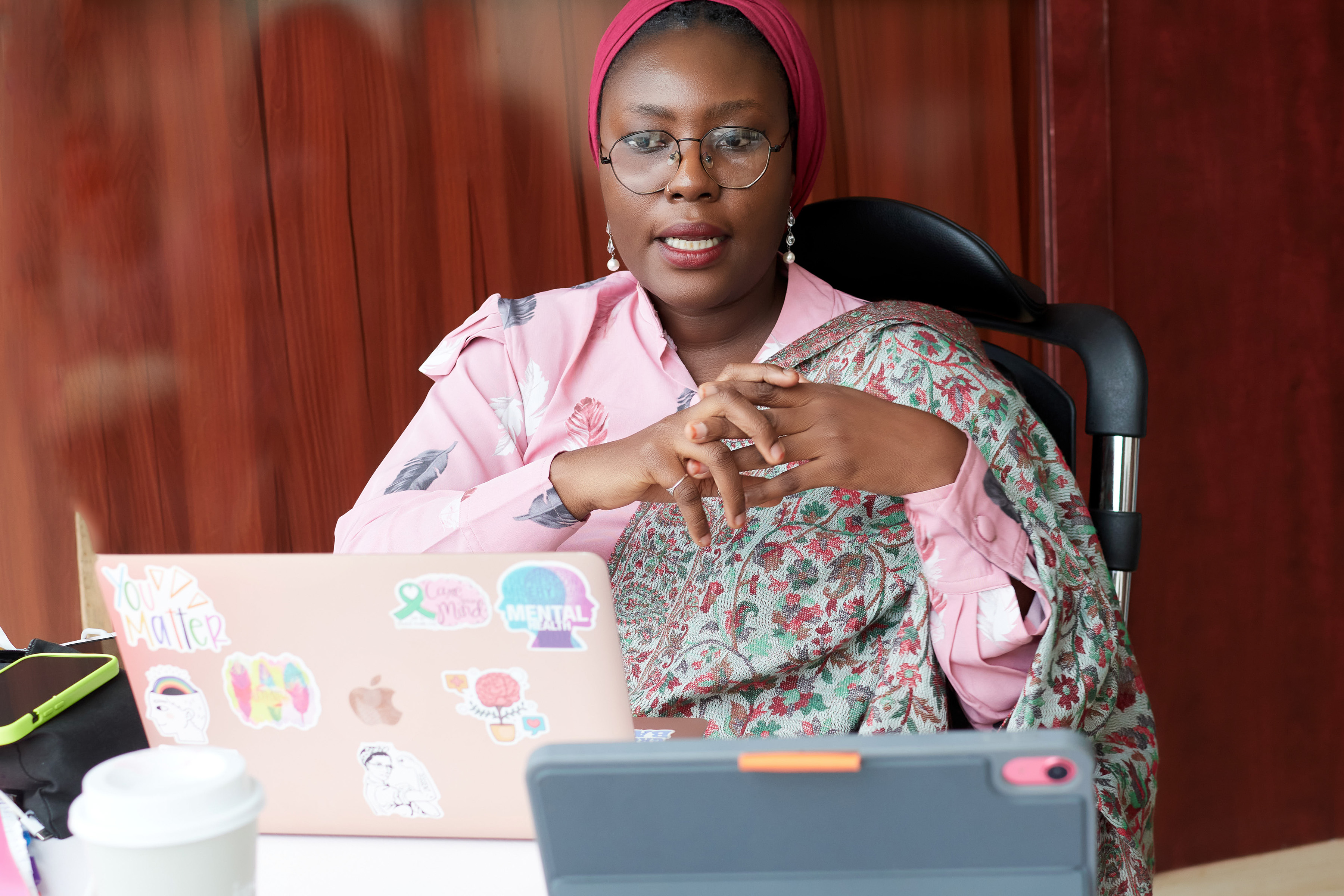
The Sunshine Series aims to break down barriers and stigma surrounding mental health. How do you approach this challenge in a society where mental health is often misunderstood?
We focus heavily on education. Misunderstandings about mental health often stem from a lack of awareness. To address this, we create educational content to raise awareness.
For example, we produced Nigeria’s first mental health radio drama, leveraging the popularity of radio—a medium accessible to almost every household. The drama uses storytelling to illustrate mental health issues, how they manifest, and how people can seek help. This approach makes mental health relatable and part of everyday conversation.
We also leverage social media, community events, and outreaches, using simple and relatable language to connect with diverse audiences. By making mental health a familiar concept, we aim to reduce stigma and foster a more supportive environment.
Your vision is a world where every individual has access to quality mental care without barriers. As a people, will you say we are doing enough to protect our mental health?
I don’t think so. I don’t think we are doing enough—not even close. You begin to do enough only after acknowledging the role of mental health, without stigma or shaming. We’re not there yet, so I don’t think we’re doing enough. Not even close.
Idimma Health Initiative trains lay counselors to bridge inequalities in mental healthcare. Could you explain the importance of this approach and its impact on communities?
Training lay counselors is part of an approach called task shifting or task sharing. We have a very limited number of mental health professionals in Nigeria. The Association of Psychiatrists in Nigeria reports there are only about 300 psychiatrists in the country, and for psychologists, the number is probably less than 1,000 practicing professionals. With a population of over 200 million people, if everyone becomes aware of mental health and decides to seek help, the available professionals cannot cater to their needs.
That’s why we’re training lay counselors to bridge that gap. Mental healthcare has different levels, and not everyone requires intense treatment, hospitalization, or consultation with a psychologist. Some people can benefit from basic care and thrive, and this is where lay counselors come in. They are equipped to listen non-judgmentally and provide tools and skills to improve mental health. When cases are more severe, they refer patients to higher-level professionals like psychiatrists, psychologists, or social workers.
We’re also leveraging existing community systems like primary healthcare centers by training workers there as lay counselors. This means they can now provide basic mental healthcare within their communities. Similarly, NGO workers who already interact with communities can offer initial mental health support. This approach ensures we maximize the limited resources available and extend care beyond education to practical support.

Your work also includes providing economic empowerment to individuals with psychosocial disabilities and their caregivers. How does this aspect of your initiative enhance the overall well-being of your beneficiaries?
One of the major issues we’ve noticed is that individuals with severe mental health conditions often face long-term and costly treatments. They may be on medication or therapy for years, and when they cannot afford treatment, they relapse. This creates a cycle: they can’t keep a job or stay in school because of their symptoms, which reduces their income and prevents them from affording treatment.
We aim to break this cycle by offering economic empowerment through vocational skills training. For individuals with severe symptoms, we also target caregivers or family members, enabling them to earn extra income to support treatment costs. This economic empowerment provides stability and dignity, helping beneficiaries maintain their treatment plans and improve their quality of life.
As the President of the YALI RLC Nigeria Alumni (2018/19), what role has youth leadership played in your journey, and how do you see it shaping the future of mental health advocacy in Africa?
Serving in that role allowed me to collaborate with many young people doing impactful work across various fields. It gave me access to a network of incredible individuals, enabling collaborations that have extended beyond my tenure.
During my presidency, I ensured that we implemented mental health-focused projects, and it’s rewarding to see that some participants from those initiatives are still engaged in mental health advocacy and work five years later.
This role showed me the power of collective leadership. By influencing and equipping others to prioritize mental health, I’ve been able to create a ripple effect that expands mental health advocacy far beyond what I could achieve on my own. Youth leadership is vital for shaping the future of mental health advocacy in Africa. It empowers individuals to champion mental health causes, ensuring that more voices join the movement and that the work continues on a larger scale.
You’ve been recognized with the Builders of Africa’s Future Award for 2024. How does this acknowledgment affect your vision and goals for the future of your initiatives?
The award from the African Diaspora Network is arriving at a pivotal time for us. We’re focused on scaling our work, replicating successful projects in other African countries, and reaching out to Africans both on the continent and in the diaspora. Being part of this program validates our efforts. It shows we have a viable project, value to offer, and the capacity to expand. For my team and me, it’s confirmation that we’re on the right path and that it’s time to spread our wings across more African states.
Mental health is often a taboo subject in many African communities. What strategies have you employed to foster open conversations about mental health?
One way we’ve been able to encourage conversations about mental health is by connecting it to different sectors of society. For example, in workplaces, we address challenges like reduced productivity, employee motivation, and enthusiasm. We show how mental health plays a critical role in these issues and how supporting mental well-being can create positive changes.
We’ve also applied this approach in communities, linking mental health to broader social issues. For instance, we highlight the connection between mental health and crime, demonstrating how mentally healthy individuals are less likely to commit crimes, thereby reducing crime rates. Essentially, we approach different societal challenges and illustrate how mental health plays a key role in addressing them. This strategy has allowed us to penetrate various sectors and foster greater awareness.
How do you ensure that your mental health services are accessible to individuals in remote or underserved areas?
Accessibility remains a challenge, but we’ve taken steps to address it. During the COVID-19 pandemic, we launched a free counseling project using WhatsApp calls. However, we realized this excluded people without internet access. To overcome that barrier, we collaborated with the federal government to establish a mental health helpline within the National Emergency Number, 112.
This helpline allows anyone with a mobile phone to call free of charge and speak with a counselor. It bridges the gap for those in remote areas without internet access or those facing financial barriers. Piloting this initiative in Abuja was a significant step, and we hope to expand its reach nationwide.
Could you share a success story from your work that particularly resonates with you?
While confidentiality prevents me from sharing individual stories, one impactful initiative stands out. We began training journalists on mental health and suicide reporting. Afterward, I noticed many of them publishing more articles on mental health, providing accurate information, and highlighting gaps in mental health care in Nigeria.
This was a proud moment for me. Journalists have incredible reach and influence, and through our training, they’re spreading awareness to millions. It’s satisfying to know that we don’t need to personally knock on every door; the journalists we’ve trained are helping us amplify this message.
In your experience, what are the most significant barriers to mental health care in Nigeria, and how can they be addressed?
The barriers are numerous. First, there’s the shortage of mental health professionals and centers. Some states lack any mental health facilities, forcing people to travel long distances for care. Financial constraints are another issue, as mental health services are often not covered by insurance, requiring out-of-pocket payments.
There’s also a lack of prioritization of mental health in schools and workplaces, which could make a big difference if addressed. Policies and laws have also been an issue, although the passing of a new mental health law a year ago was a significant step. Now, the focus is on domesticating these policies at the state level.
To mitigate these barriers, we need more people studying mental health-related fields to increase the number of professionals. Additionally, schools and workplaces should prioritize mental health within their structures, which would lower costs for individuals in these environments.
What role do you believe education plays in changing perceptions and reducing stigma around mental health?
I think education plays a huge role, especially when the information comes from trusted authorities. For example, traditional and religious leaders, when properly educated on mental health, can communicate it accurately and from a place of knowledge. Their influence on their followers can shift perceptions, helping people understand and prioritize mental health. It’s truly a game-changer.
How has your journey influenced your approach to leadership and advocacy in the mental health space?
Integrity and resilience are core values in my journey, but I would say empathy is the foundation of my approach. As a mental health professional, empathy allows me to put myself in other people’s shoes. For every decision I make, I consider all stakeholders involved. I think about how they would perceive the decision—whether it’s beneficial or detrimental—and how I would feel if the tables were turned.
Empathy also guides my leadership style. I strive to empower the people I work with by delegating responsibilities, trusting their expertise, and involving them in decision-making. Leadership, to me, isn’t about being the sole decision-maker but about creating an environment where others can contribute and grow.
As someone who has achieved remarkable success, what advice would you give to young people aspiring to make a difference in their communities?
My advice is simple: start small. Once you identify a problem, begin wherever you can, with whatever resources you have. You don’t need to be the biggest change-maker or have your name in history books to make a difference.
Even influencing one person can create ripple effects, possibly years later or in ways you might not witness. That’s still changing, and it matters.
Also, stay open to learning and collaboration. Most problems you’ve identified have been noticed by others as well—some are working on them, while others may have abandoned their efforts. Share your ideas freely. I often tell people, “If someone steals your idea and implements it, great! The goal is for the idea to come to life, not for it to always come from you.”
Be generous with your ideas, seek knowledge, and stay open-minded. Sometimes the perspective you’re holding may not be the most accurate, but by collaborating and learning, you’ll find better ways to approach challenges.
How do you stay motivated and maintain your well-being while working in such a demanding and emotionally taxing field?
My passion for this work keeps me going. Most of the time, it doesn’t feel like a burden. However, there are moments when it gets overwhelming, and that’s when I practice what I preach about stress management.
I take breaks, engage in activities I enjoy, and spend time with family and friends, which is a positive and rejuvenating experience for me. I love reading and make an effort to avoid unhealthy habits that could worsen stress.
Mindfulness activities like yoga and meditation are also part of my routine. Most importantly, I prioritize doing nice things for myself—simple joys that help me recharge and stay focused.
What future projects or initiatives are you most excited about, and how do you see them impacting mental health in Nigeria and beyond?
Given how the world is increasingly becoming a global tech hub, I’m excited about exploring ways to leverage technology to enhance the mental health work we do. This includes collaborating with sectors like the police, military, and schools to improve access to mental health services across the country.
I’m particularly interested in expanding emergency mental health helplines nationwide, especially in conflict-prone areas that have experienced trauma and violence. These initiatives aim to make mental health services more accessible and responsive to the needs of individuals in underserved regions.
How can individuals and organizations outside of the mental health field contribute to the work you are doing with The Sunshine Series and Idimma Health Initiative?
Organizations can collaborate with us in several ways. They can partner with us to design and implement mental health projects tailored to their needs, or they can provide funding to support the work we do. Access to resources and networks that amplify our impact is another valuable way to collaborate.
Additionally, organizations can work with us to incorporate mental wellness into their operations by supporting their employees with wellness services. Partnering with us to provide mental health services to their specific target groups is another impactful avenue for collaboration.
The Mental Health Act of Nigeria was passed recently. How do you see this legislation influencing mental health care and the protection of individuals with mental health conditions in Nigeria?
The new Mental Health Act includes significant provisions that will advance mental health care in Nigeria. It emphasizes quality assurance in mental health services and protects the rights of individuals with mental health conditions, ensuring they are not subjected to abuse, workplace discrimination, or other forms of injustice.
The Act also introduces the establishment of a mental health fund to support projects, which is a significant step toward mainstreaming mental health services. Overall, this legislation is poised to create a more inclusive and structured mental health care system.
What role do you think the government should play in supporting mental health care providers, especially in terms of funding and resources?
The government should actively collaborate with organizations already working in the mental health space. Partnerships between the government and these organizations can complement each other’s efforts, especially given that the government alone may not be able to address all challenges on time.
By pooling resources and strengths, both the government and stakeholders can create a more robust and effective mental health program that reaches more people and delivers sustainable outcomes.
How do you collaborate with other stakeholders, including the government, NGOs, and the private sector, to strengthen the mental health care system in Nigeria?
Our mental health helpline is a good example of collaboration. It was developed in partnership with the federal government through the Ministry of Special Duties and Intergovernmental Affairs and the Ministry of Communications. This initiative resulted in the first mental health helpline integrated into the National Emergency Number system.
We also work with various organizations delivering health and social services. For instance, collaborating with the police to integrate mental health services can improve their service delivery. Similarly, in the education sector, partnerships can prioritize mental well-being from an early age, embedding mental health awareness into school systems.
The possibilities for collaboration are vast, and each partnership contributes to creating a more comprehensive mental health care system.