Wizkid, and the Crisis of Respect in Modern Nigeria
In every serious society, there exists an unspoken covenant between generations: those who inherit the road must honour those who built it. Civilisations endure not merely by innovation, but by memory, by reverence for legacy, sacrifice, and foundational values. In modern Nigeria, that covenant appears dangerously broken.
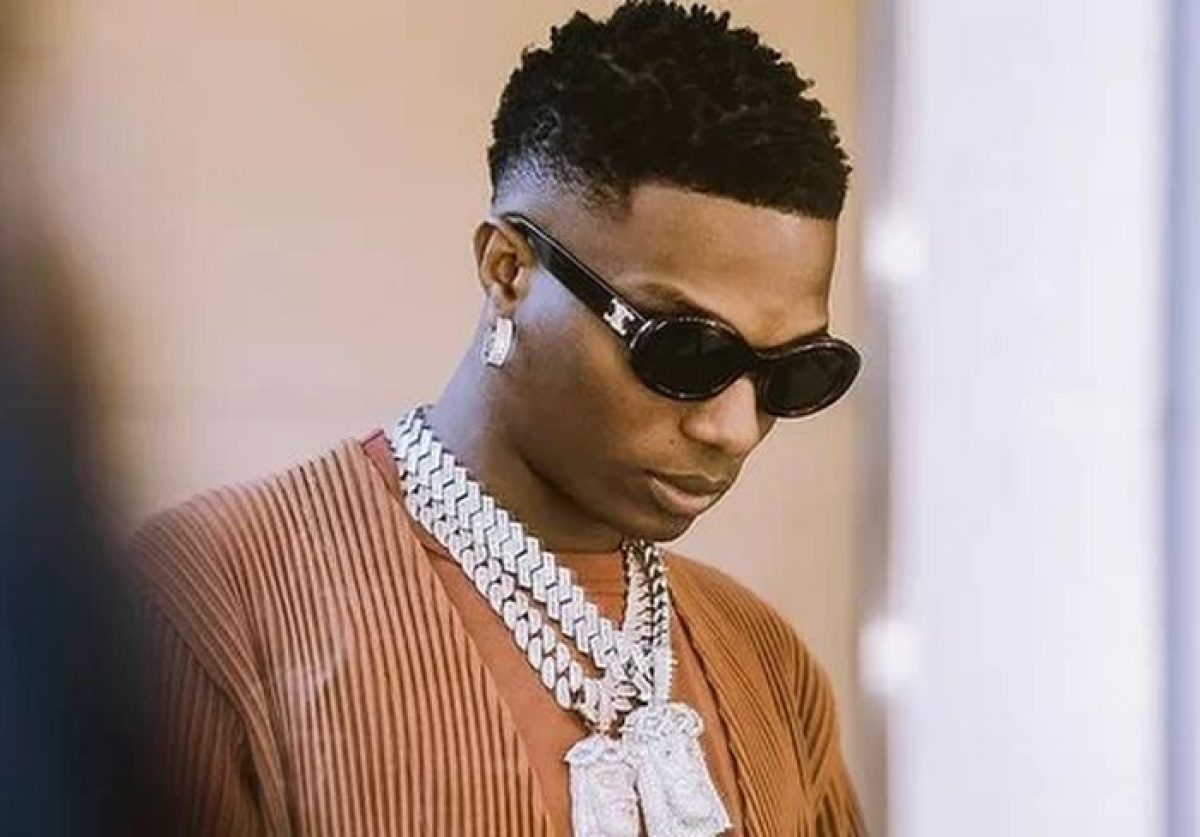
The recent controversy involving Wizkid and the Kuti family has once again exposed a deeper national malaise, one far larger than a celebrity disagreement. It has revealed a troubling erosion of values, cultural memory, respect, and honour for legacy, particularly among a generation raised in the age of virality rather than history.
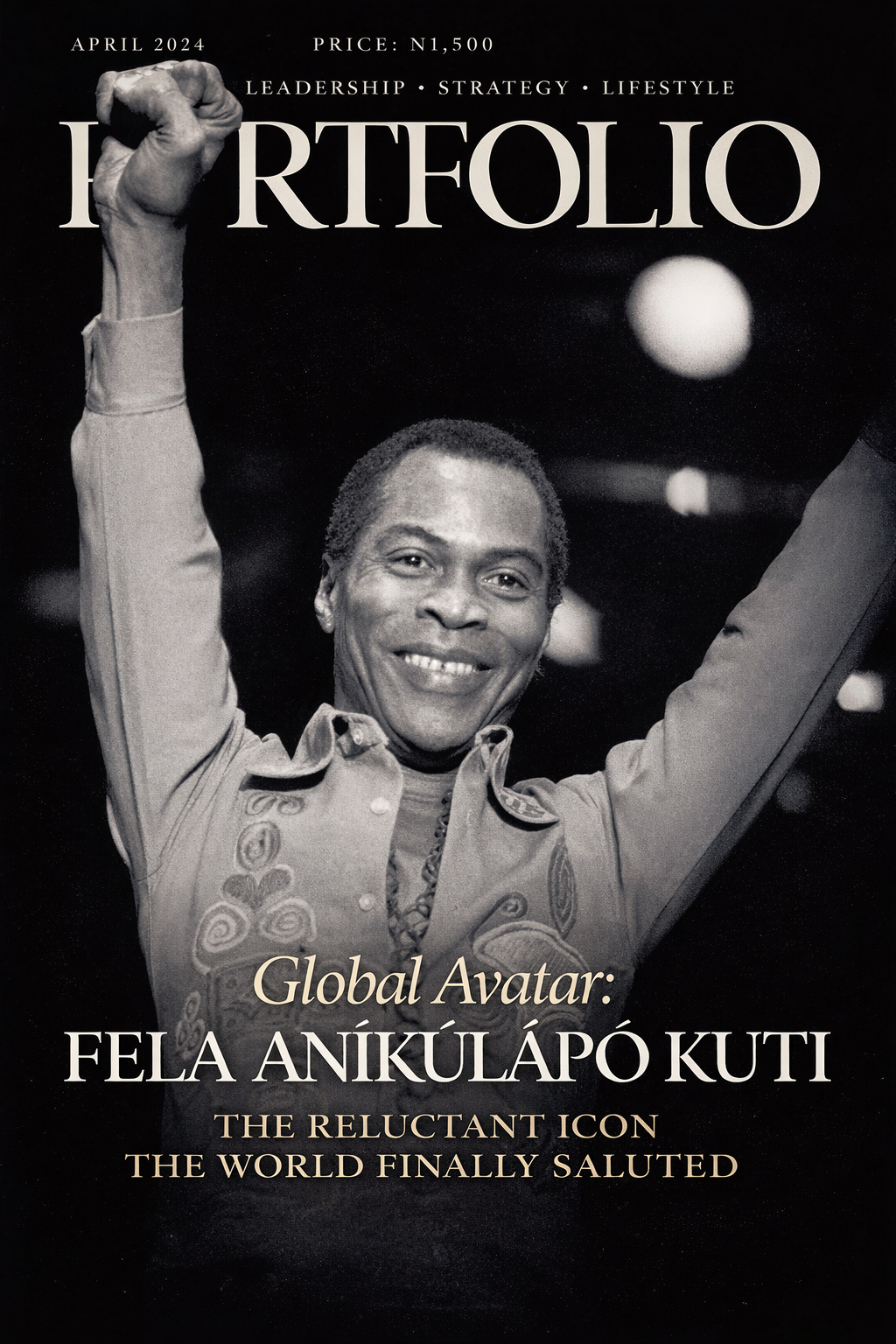
Read here “Global Avatar: Fela Aníkúlápó Kuti, The Reluctant Icon the World Finally Saluted.”
Among the Yoruba, respect for elders and ancestors is not optional; it is cultural law. Yet what we increasingly witness is a replacement of respect with ego, tradition with trend, and honour with applause metrics. When a public figure dismisses or insults an elder whose life represents cultural struggle and national contribution, the issue transcends personal conflict; it becomes symbolic.
Fela Aníkúlápó Kuti was not merely a musician. He was a movement. A philosophy. A political force. A cultural institution.
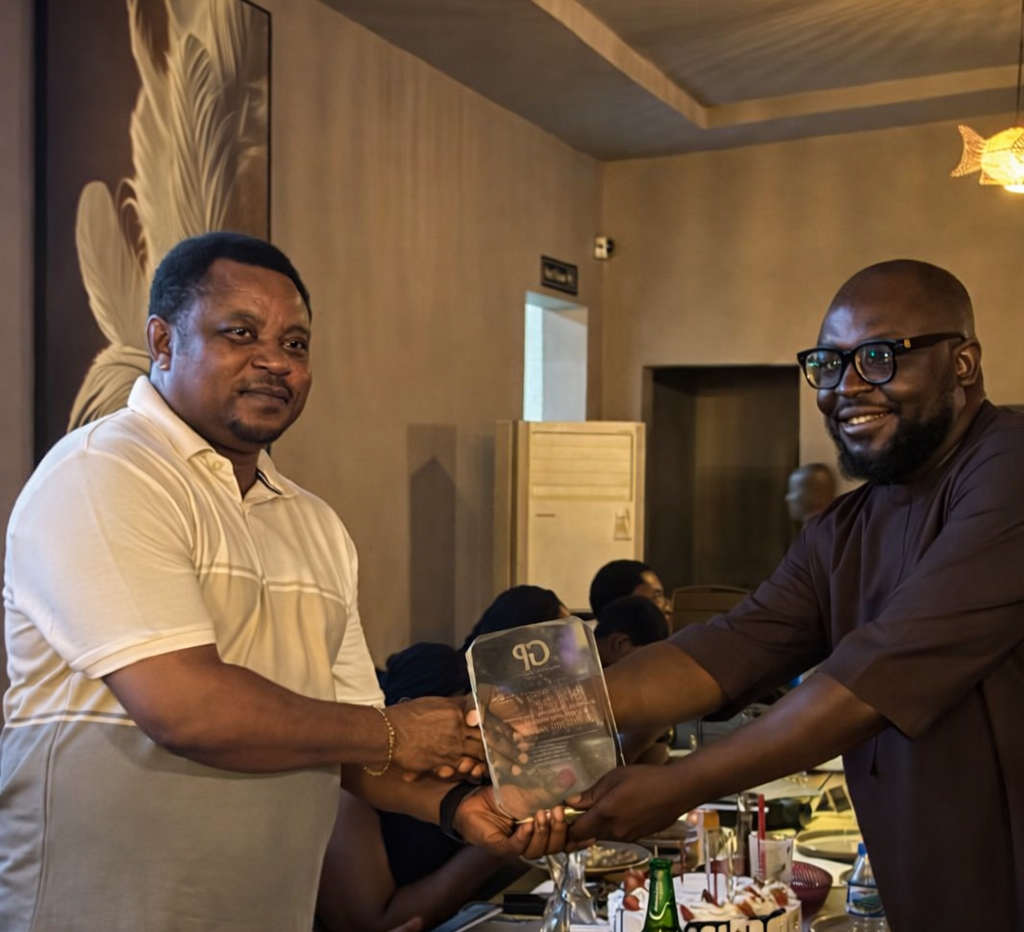
Read here “Chief (Hon.) Dr. Martin Ojie Orim Receives Leadership Award, Portfolio Magazine on Birthday”
Globally, Fela is recognised as:
- One of the most influential musicians of the 20th century
- The architect of Afrobeat as both a musical and ideological system
- A fearless critic of military dictatorship, colonial residue, and systemic injustice
- A cultural revolutionary who fused sound, resistance, spirituality, and African identity
Internationally, Fela is treated not as a celebrity but as a heritage figure. His influence echoes across continents. Global artists have openly cited him as an inspiration. His music has been performed on the world’s most prestigious stages. His work is studied in universities, archived in museums, and preserved in cultural institutions. He was inducted into the Grammy Hall of Fame, and his legacy continues to receive posthumous global recognition. Festivals such as Felabration, celebrated annually in Lagos and other cities worldwide, honour his life and impact. Even former world leaders have publicly acknowledged his cultural significance.
Outside Nigeria, Fela is protected as history. Within Nigeria, he is sometimes reduced to debate fodder. That contradiction should disturb every thinking Nigerian. This issue is not about artistic competition, collaboration, or disagreement. Those are natural in any creative ecosystem. The problem arises when:
- An elder is publicly insulted
- A generational disagreement becomes symbolic disrespect
- Social media banter opens the door to mass ridicule
- A cultural icon’s name becomes collateral damage in an ego-driven moment
When public figures speak carelessly, they license disrespect among millions of followers. And in a country where historical consciousness is already fragile, such damage multiplies rapidly. Fela did not chase global validation; global validation eventually acknowledged Fela. Ironically, those who invoke modern awards to diminish his relevance often forget that many of today’s global platforms for African music exist because pioneers like Fela forced African sound onto the world stage at a time when it was politically dangerous to do so.
Fela’s relevance is not seasonal. It is permanent. Today’s Afrobeats success operates within a global ecosystem whose doors were forced open by artists who endured censorship, harassment, exile, and violence so African identity could be heard without apology.
This crisis did not emerge overnight. Nigeria has:
- Gradually removed cultural education from mainstream schooling
- Replaced elders with algorithms
- Replaced mentorship with metrics
- Replaced honour with hype
This conversation is bigger than Wizkid. It is bigger than the Kuti family.
It is bigger than social media. It is about whether Nigeria wishes to remain a nation that:
- Eats its elders
- Erases its memory
- Ridicules its builders
Or one that:
- Preserves legacy
- Teaches history
- Protects cultural capital
Because no nation that disrespects its legends is respected globally.
Disagreement is healthy.
Competition is necessary.
Confidence is powerful.
But disrespect is cultural suicide.
You do not insult the road that carried you.
You do not mock the shoulders you stand on.
And you do not erase the voices that spoke when silence was safer.